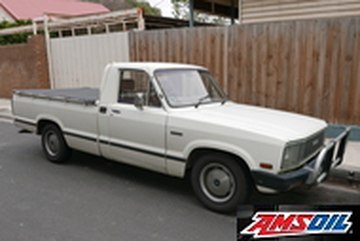
Engine Oil Maintenance for the 1983 Mazda B2200 PICKUP 2.2L
Maintaining the engine oil in your vehicle is one of the most fundamental aspects of long-term mechanical care. For the 1983 Mazda B2200 PICKUP with the 2.2L diesel engine, using the correct viscosity and oil type is essential for proper lubrication and engine health.
What oil does my 1983 Mazda B2200 PICKUP 2.2L take?
For this vehicle, the following options are listed: DTT1G-EA Signature Series Max-Duty Synthetic Diesel Oil 10W-30, ADNQT-EA Heavy-Duty Synthetic Diesel Oil 10W-30, and DHDQT-EA Signature Series Max-Duty Synthetic Diesel Oil 5W-30.
Understanding Engine Oil Viscosity
Viscosity refers to a fluid's resistance to flow. In an internal combustion engine, the oil must be thin enough to circulate quickly during a cold start but thick enough to maintain a protective film between moving parts once the engine reaches operating temperature. The numbers in a viscosity grade, such as those listed for this application, indicate how the oil behaves at different temperatures.
The first number represents the oil's flow characteristics at lower temperatures. A lower number generally indicates better flow during cold starts, which helps reduce wear during the initial moments after an engine is turned on. The second number relates to the oil's viscosity at higher operating temperatures. Selecting a viscosity that aligns with the manufacturer's recommendations ensures that the lubrication system can effectively manage heat and friction throughout the entire duty cycle of the engine.
The Role of Diesel-Specific Oils
Diesel engines operate under different mechanical stresses compared to gasoline engines. They often involve higher compression ratios and different combustion characteristics. Because of these factors, using oils specifically formulated for diesel applications is a common practice. These oils are designed to manage the specific byproducts of diesel combustion.
One of the primary concerns in diesel engine maintenance is the management of soot. As diesel fuel burns, it can produce carbon particles that become suspended in the engine oil. Specialized diesel oils contain additives intended to keep these particles in suspension, preventing them from clumping together or forming deposits on critical engine components. Maintaining clean oil helps ensure that the lubrication remains effective over time.
Monitoring Oil Levels and Condition
Regularly checking the engine oil level is a vital maintenance habit. A simple dipstick check can reveal if the engine is consuming oil or if there is an external leak. If the oil level is consistently low, it may indicate a need for mechanical inspection. However, even if the level appears correct, the condition of the oil itself must be monitored.
Oil degrades over time due to heat, oxidation, and the accumulation of combustion byproducts. When performing an inspection, look for changes in color or texture. While some darkening is normal in diesel engines due to soot, extremely thick or sludge-like oil can indicate that the oil has exceeded its useful life. Following the manufacturer's maintenance schedule regarding oil change intervals is the most reliable way to ensure the engine remains properly lubricated.
The Importance of Regular Oil Changes
An oil change is more than just replacing a fluid; it is a process of removing contaminants and replenishing protective additives. Over time, the chemical additives in engine oil—such as detergents, dispersants, and anti-wear agents—are depleted. Once these additives are exhausted, the oil can no longer effectively clean the engine or protect metal surfaces from friction.
By adhering to the service intervals found in your owner's manual, you ensure that fresh additives are available to neutralize acids and keep the internal components clean. Neglecting these intervals can lead to the buildup of sludge, which can restrict oil flow and potentially cause significant mechanical issues. Always consult the manufacturer's maintenance schedule to determine when your next service is due.
Identifying Potential Leaks
Oil leaks can be categorized as either internal or external. External leaks occur when oil escapes from the engine block or its attachments, often visible as wet spots on the engine casing or puddles on the ground beneath the vehicle. Common areas for external leaks include gaskets and seals. Monitoring the area around the engine during routine inspections can help identify these issues before they lead to significant oil loss.
Internal leaks or consumption occur when oil enters the combustion chamber and is burned along with the fuel. This is often signaled by blue-tinted exhaust smoke. If you notice a frequent need to top off your oil levels despite no visible external leaks, it may be an indication of internal engine wear. Consistent monitoring of both the oil level and the vehicle's exhaust characteristics provides a clearer picture of the engine's health.
BUYING ENGINE OIL
When you are ready to purchase oil for your 1983 Mazda B2200 PICKUP, ensure you select from the options listed in your technical documentation. You can choose between different synthetic and heavy-duty diesel formulations depending on whether you require a 5W-30 or 10W-30 viscosity. Always verify that the product matches the specific requirements for your engine to ensure proper lubrication and protection.